Cart
0
your cart

No items found.
Product is not available in this quantity.

You may be wondering when are avocados in season. If you are, you will want to keep reading this article to find out more. We'll talk about the healthy benefits of avocados, the fun facts about them, how to pick them out, and how to store them. After that, we'll give you a list of frequently asked questions about avocados.
Avocado is one of the most nutritious and wholesome fruits. It can be eaten alone, as a salad fruit, or as a dip. The avocado has a distinct flavor and texture that is admired around the world. Aside from its delicious taste, the avocado is also considered to have several medicinal benefits.
Avocado is grown in many parts of the world, including South Africa, Australia, Hawaii, Israel and South America. Despite its ubiquity, the production of avocado is still in its infancy. However, if proper promotion and research is done, the market for avocado could expand.
Avocado is a tropical fruit that grows in warm weather areas, especially in Mexico. However, the avocado does not grow well in wet climates. In these conditions, the roots will get infected by the Phytophthora fungus. This fungus destroys the leaves and branches, which results in wilting.
Avocado trees can be grafted, which allows the perpetuation of superior seedlings. The Mexican-race avocado has the hardiest fruits. However, this variety is characterized by small fruits.
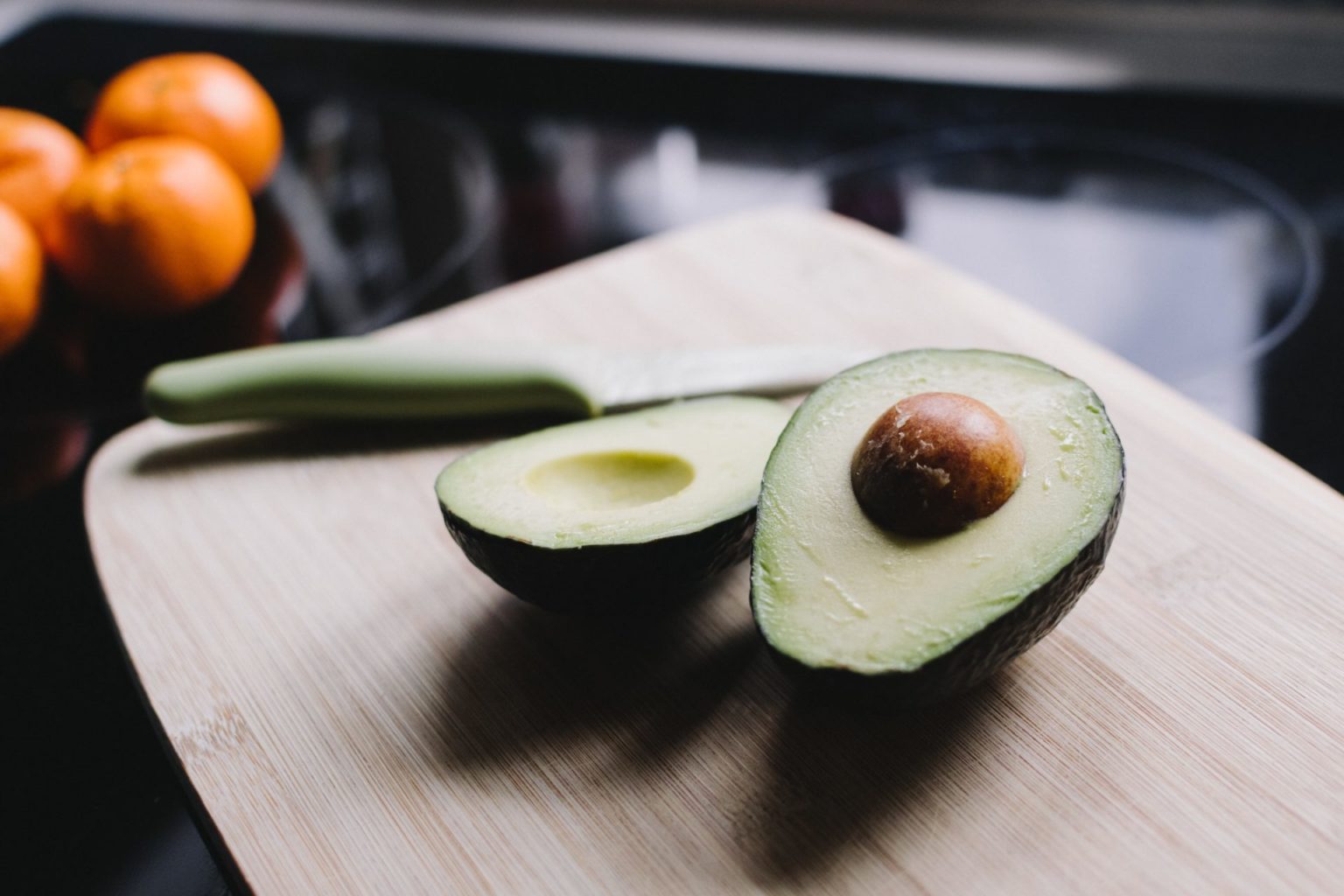
Avocados, or aguacates, are a delicious salad fruit from the tropics. They are full of vitamins, fiber, and monounsaturated fats. These fruits are usually imported from Mexico and Peru, although there are also avocado farms in Mexico and California.
Avocados are typically sold in grocery stores. They come in a variety of shapes and sizes. A small fruit may weigh only a few ounces, while larger varieties can range in size from several pounds to more than a kilo.
Avocados can be stored in freezer bins or in plastic bags. Avocados can be stored at ordinary temperatures for up to two months. However, if they are stored at below normal temperature, they may not ripen properly.
Avocados are best eaten when they are soft enough to eat. It can take days or even weeks for the fruit to fully ripen. During this time, you may want to cut them in half or scoop out the halves with a spoon.
Depending on the region where you live, the avocado season may last from early spring to late summer or fall. If you can find a local market that sells them, you may be able to get them cheaply.
If you have a garden or simply want to preserve some avocados for the future, there are a few steps you can take to ensure they stay in tip top shape. These tips will also give you some useful hints about a fruit that can be tricky to store.
First, you should know that an avocado can be stored in the refrigerator. This will slow down the ripening process and keep your avocados fresh for up to three days. You can also freeze them, a great way to save money!
However, you should store your avocados in the proper way to get the best results. The key to this is to not allow the avocado to sit in the sunlight. A cool and dark place is the best bet for this task.
Another trick is to put a squeeze of lemon or lime juice in the avocado to help seal the flesh. You can then cover the avocado with a plastic wrap to create a barrier against air.
You can even freeze the avocado in a zip-top bag or container. This will allow you to store it for a few months at a time, but you should not freeze the entire avocado.
Avocados are a great source of fiber, monounsaturated fats, and antioxidants. These nutrients help support healthy heart, skin, and immune system. They may also protect you from certain cancers.
Avocados can also reduce your risk for high blood pressure. Their monounsaturated fats help regulate cholesterol.
Avocados are also known to help prevent infections and allergies. A fatty acid found in avocados called oleic acid is responsible for their skin-nourishing properties.
Avocados are rich in vitamin K. This essential nutrient aids in the absorption of calcium. It also helps reduce urinary excretion of calcium. Vitamin K is also important for bone health.
In addition, avocados are a good source of vitamins B6, E, K, and C. Each of these nutrients help convert food into energy. Other important nutrients in avocados include lutein, zeaxanthin, pantothenic acid, and riboflavin.
Avocados are a good source of omega-3 fatty acids. Studies have shown that eating a diet high in omega-3 fatty acids is linked with a lower risk of heart disease.
Avocados are an excellent source of folate. Folate helps reduce the risk of birth defects. Also, folate reduces the risk of colon and stomach cancer. If you are pregnant, you should increase your intake of folate.
Avocados are delicious fruits and they have a number of health benefits. They have fiber, vitamins, and minerals and are low in calories. They are also great for your skin.
Avocados have been cultivated for thousands of years. In fact, avocados were a staple food for the Aztecs, who believed that they provided strength. The Aztecs also considered them a symbol of fertility.
The name avocado came from the Aztec word ahuacatl. Avocados are now grown in Mexico, Florida, and California. These avocados are loaded with vitamins and minerals, and are known to be good for the heart and for your digestive system.
Aside from their nutritional value, avocados are also a source of protein. One half cup of a medium-size avocado contains about four grams of protein, which is great for athletes and people on a weight-loss diet.
Avocados are also good for your body because they contain healthy fats. These fats help reduce your risk of heart disease and stroke. Also, they are a good source of vitamins, such as B vitamins and vitamin K.
Avocados are a delicious and versatile fruit. They can be eaten plain or used in a variety of recipes. Among them are avocado tacos, guacamole and even avocado toast. But picking out a ripe avocado can be a challenge. Here are three tips that should help.
One of the best ways to determine whether an avocado is ripe is by checking the stem. You should be able to peel back the green skin and reveal the dark green flesh underneath. A ripe avocado should be fairly uniform in size, and it should not have too much give.
Another test of ripeness is to gently press the skin. If it feels like pressing against a wall, the avocado is overripe. An underripe avocado, however, will feel firm. The more ripe the avocado, the firmer the skin.
There are many factors involved in the avocado ripening process, including environmental conditions and storage temperature. Ideally, an avocado should be left out at room temperature for a few days to allow it to ripen to its maximum potential.
Avocados have become more popular in the recent years. They contain essential nutrients that are beneficial to the health of a person. These include omega-3 fatty acids, antioxidants and vitamins. In addition, avocados have the ability to reduce the risks of certain types of cancer.
Depending on the variety, avocados take anywhere from two to seven days to ripen. If you buy a ripe avocado, its skin should be soft and slightly firm. It should also give in with a light pressure. However, an unripe avocado should remain rubbery.
Whether you are buying an avocado from a grocery store, farmer's market, or farm, the price may vary. This is due to supply and demand. The National Health Service recommends half an avocado as a standard adult portion size.
Avocados can be bought in a wide variety of sizes, ranging from small finger type avocados to medium size avocados. Some companies sell avocados raw or processed.
Although they are delicious, it is not advisable to consume too much avocado. Eating too much can lead to stomach pain, bloating and vomiting. Moreover, it can lead to a decrease in milk production in women.
Avocados are a delicious and nutritious fruit that can be eaten alone or mixed in salads, sandwiches and as ice cream flavouring. These fruits are also rich in polyunsaturated fats and phytochemicals. They are highly recommended for diabetics, anemics, and individuals with metabolic syndrome.
However, avocados are not in season year-round. In the Philippines, their peak season is from May to September. But in Mexico, the bloom period is continuous from August to March.
As of today, the global supply of avocados is declining. This is due to the lack of transportation facilities for farm produce. Farmers bring their products to the market through a middleman who sells them at a higher price.
The FDA has collected samples from 29 states. Most of the samples were from Florida, California, and Puerto Rico. It also analyzed production statistics.
During the analysis, the FDA discovered that Listeria monocytogenes was present on some avocados. Although the pathogen was not found to be a factor in illnesses, the prevalence of the bacterium was still considered.
#Mansfield #FarmersMarket #MansfieldFarmersMarket
More at: https://www.dallasnews.com/food/2017/06/12/farmers-vendors-keep-grand-prairie-market-square-cooking/